

Lone Star Ticks Are Moving into Northern Indiana



What Pet Owners Need to Know About This Emerging Threat
A Growing Concern for Pets and People
For many years, Lone Star ticks were considered a problem primarily in the southeastern United States. Today, however, these ticks are increasingly being found throughout Indiana—including Northern Indiana.
As their geographic range expands, veterinarians are seeing increased concerns about the diseases these ticks can transmit to dogs, cats, and people. Understanding the risks and maintaining effective tick prevention are more important than ever.
What Is a Lone Star Tick?
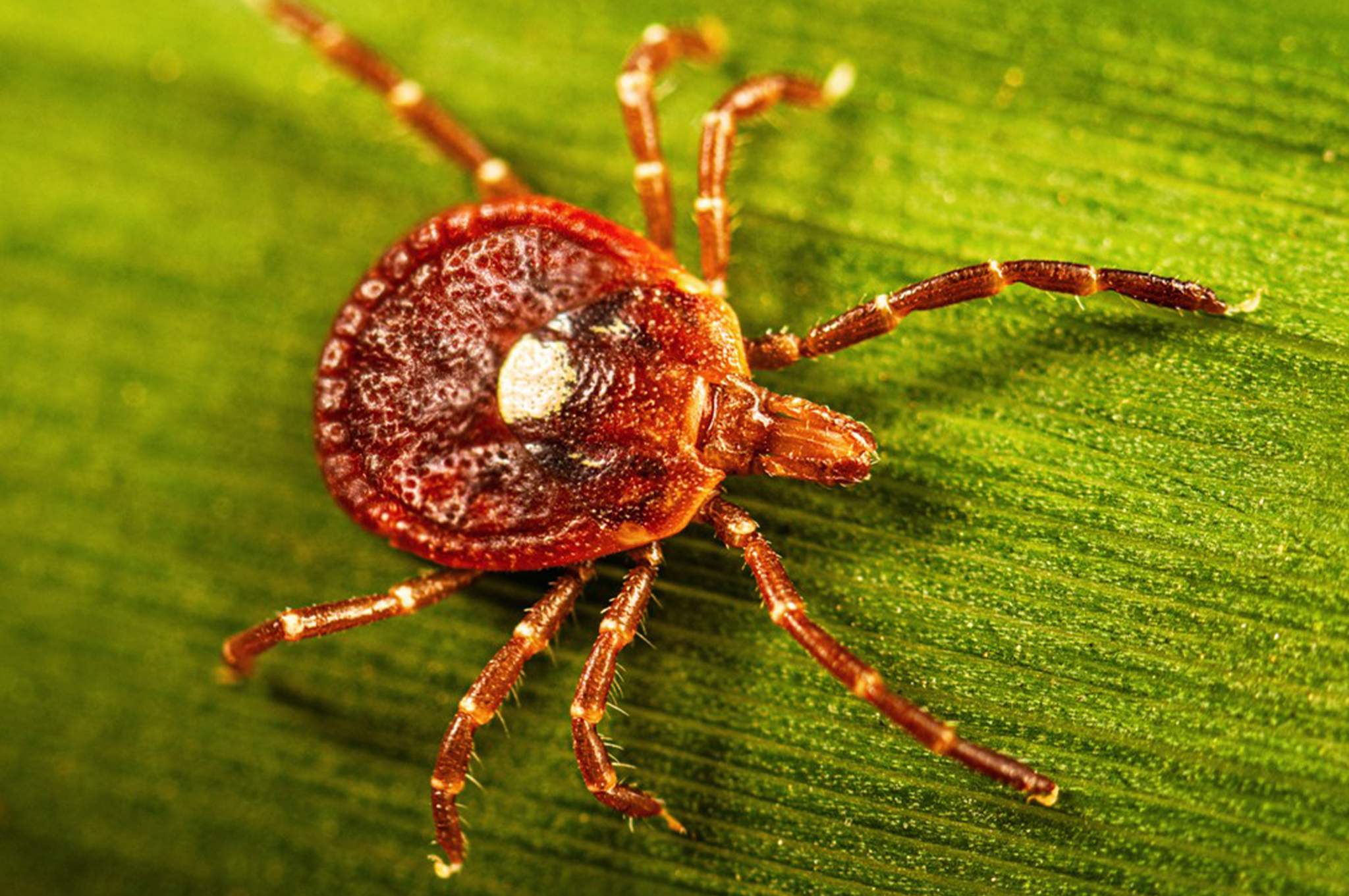
The Lone Star tick (Amblyomma americanum) is named for the distinctive white spot found on the back of adult female ticks.
Unlike some tick species that wait for a host to pass by, Lone Star ticks are aggressive hunters that actively seek out animals and humans.
They commonly feed on:
- Dogs
- Cats
- Deer
- Wildlife
- Livestock
- Humans
Because they feed on multiple species, they can efficiently spread disease throughout local environments.
Why Are Lone Star Ticks Moving North?
Several factors are contributing to the spread of Lone Star ticks into Northern Indiana:
Milder Winters
Warmer temperatures allow more ticks to survive and reproduce.
Growing Deer Populations
White-tailed deer serve as important hosts and help transport ticks into new areas.
Habitat Changes
Wooded neighborhoods, trails, parks, and suburban green spaces provide ideal tick habitat.
Wildlife Migration
Birds and other wildlife can carry immature ticks long distances, helping establish new populations.
As a result, exposure risk for pets continues to increase throughout our region.
Diseases Lone Star Ticks Can Transmit to Dogs
Ehrlichiosis
Ehrlichiosis is a bacterial infection that affects a dog’s immune system and blood cells.
Common signs include:
- Fever
- Lethargy
- Loss of appetite
- Weight loss
- Swollen lymph nodes
- Bruising or bleeding problems
- Chronic illness if left untreated
Early diagnosis and treatment can significantly improve outcomes.
Tularemia
Tularemia is caused by the bacterium Francisella tularensis.
Signs may include:
- Fever
- Weakness
- Enlarged lymph nodes
- Ulcerations on the skin
- Eye inflammation
- Respiratory illness
Although less common, tularemia can be a serious disease requiring prompt veterinary care.
What About Cats?
Cats tend to experience fewer tick-borne illnesses than dogs, but they are not immune.
Potential concerns include:
- Tularemia
- Secondary skin infections at tick attachment sites
- Other emerging tick-borne pathogens
Outdoor cats face the greatest risk of exposure.
Risks to Humans
Lone Star ticks are also a public health concern.
Ehrlichiosis
Human infections may cause:
- Fever
- Headache
- Fatigue
- Muscle aches
Tularemia
People may experience:
- Fever
- Swollen lymph nodes
- Skin ulcers
- Respiratory symptoms
Alpha-Gal Syndrome
One of the most unusual conditions associated with Lone Star ticks is Alpha-Gal Syndrome.
Following certain tick bites, some individuals develop an allergy to red meat and other mammalian products. Reactions can range from mild digestive upset to severe allergic responses.
Understanding Your Pet’s Tick Protection
As Lone Star ticks become more common in Northern Indiana, it is important to understand that protection duration can vary depending on the tick species.
Bravecto Quantum
Bravecto Quantum provides:
✔ 12 months of protection against Deer Ticks
✔ 12 months of protection against American Dog Ticks
✔ 12 months of protection against Fleas
✔ 8 months of protection against Lone Star Ticks
While Bravecto Quantum provides year-long protection against several common parasites, protection against Lone Star ticks is currently labeled for up to eight months. For this reason, we are now recommending giving the injection every 8 months for complete protection.
Bravecto Chews and Topical Products
Bravecto Chews and Bravecto Topical products provide:
✔ 12 weeks of protection against many flea and tick species
✔ 8 weeks of protection against Lone Star Ticks
As Lone Star tick exposure increases in our region, this difference is important to consider when planning your pet’s parasite prevention schedule.
Due to the presence of this tick and the diseases they carry, we are now recommending giving the chew or applying the topical every 8 weeks.
How to Protect Your Pet
Perform Routine Tick Checks
After outdoor activities, check:
- Ears
- Neck
- Face
- Between the toes
- Under collars and harnesses
- Around the tail
Maintain Your Yard
Keeping grass short and reducing brush helps limit tick habitat.
Use Recommended Tick Prevention
Consistent parasite prevention remains the best defense against tick-borne disease.
Remove Ticks Promptly
If you find a tick, remove it carefully using fine-tipped tweezers and contact your veterinarian if you have concerns.
The Bottom Line
Lone Star ticks are no longer just a southern problem. Their continued spread into Northern Indiana means increased risks for pets and people alike.
Because these ticks can transmit serious diseases such as ehrlichiosis and tularemia, year-round prevention and regular tick checks are essential.
If you have questions about your pet’s parasite prevention plan, our veterinary team is here to help.
Protect Your Pet Today
Schedule a wellness visit and let us help you choose the most effective tick prevention program for your pet’s lifestyle and risk factors.