

Storm & Fireworks Anxiety in Dogs: Helping Your Pet Feel Safe and Calm
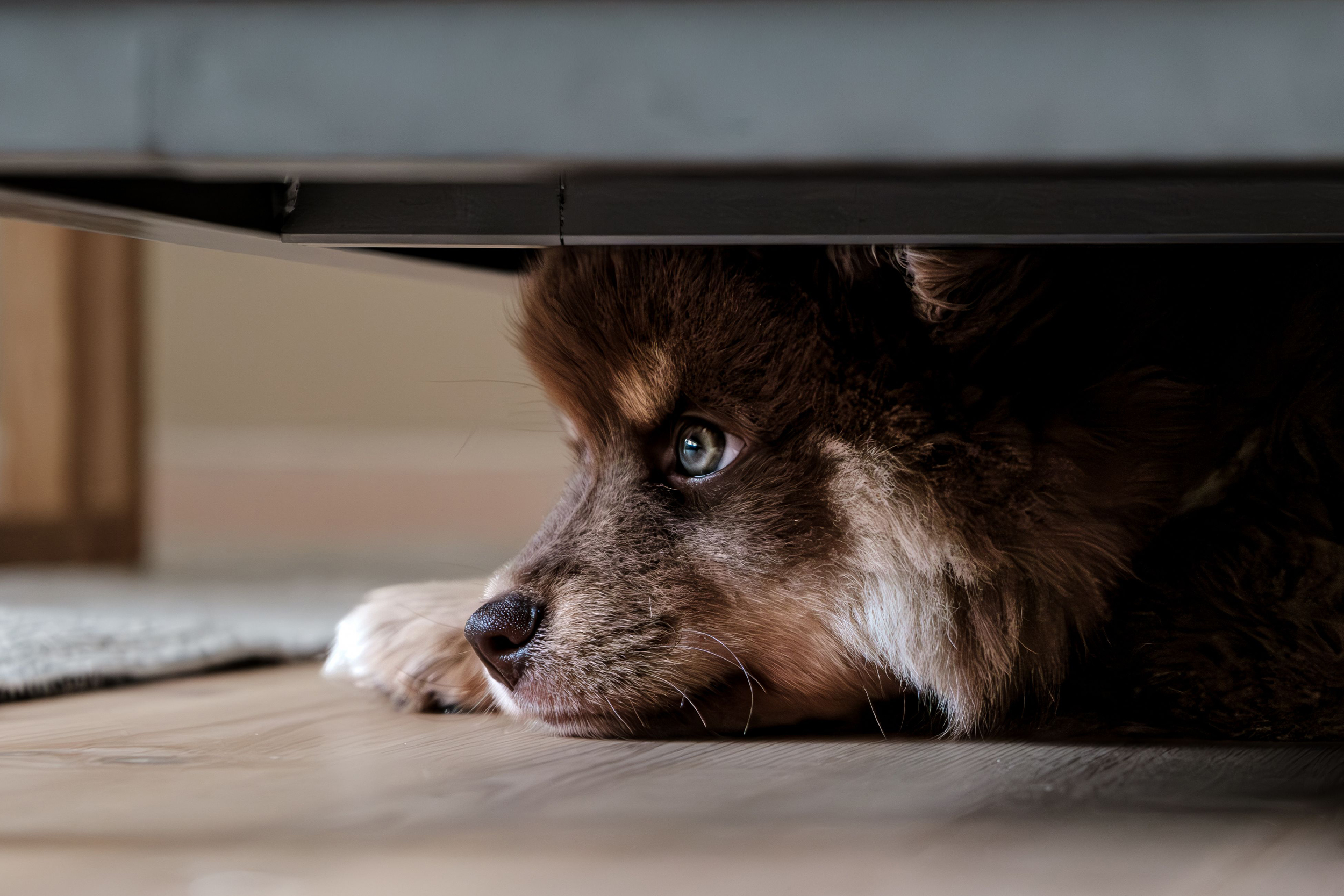



Does your dog tremble, hide, pant, or pace when storms or fireworks arrive? You're not alone—and your pet doesn't have to suffer through it.
When Thunder Rolls, Your Dog Doesn’t Have to Suffer
Many dogs become anxious when storms roll in or fireworks light up the sky. What may seem like a minor inconvenience to us can feel overwhelming and frightening to our pets. Some dogs pace, pant, tremble, hide, or cling to their owners, while others may become destructive or try desperately to escape. The good news is that storm and fireworks anxiety is common, and there are safe, effective ways to help your dog feel more comfortable. Most importantly, your pet does not have to “just get through it.”
Recognizing the Signs of Anxiety
Dogs experience fear and anxiety in different ways. Common signs include:
- Trembling or shaking
- Panting when not hot
- Pacing or restlessness
- Hiding in closets, bathrooms, or under furniture
- Excessive drooling
- Whining or barking
- Clingy behavior
- Refusing food or treats
- Attempting to escape
For some pets, anxiety can become severe enough that they injure themselves trying to get away from the frightening sounds. Dogs may scratch through doors, break through fences, or run off if they escape outdoors.
Why Treatment Matters
Many pet owners worry about giving anxiety medications because they don’t want their dog to seem sleepy or “not themselves.” However, untreated anxiety can be much more stressful and potentially dangerous.
A dog that is trembling, panicking, and terrified is experiencing significant emotional distress. In comparison, a dog that is calm, comfortable, and perhaps a little sleepy is having a much better experience.
Our goal is not to “knock your pet out.” Our goal is to reduce fear and help your dog feel safe.
Medication Can Make a Big Difference
There are several options available for treating storm and fireworks anxiety. Your veterinarian can recommend the best medication based on your dog’s age, health, and anxiety level.
These medications are designed to reduce fear and panic during stressful events. One possible side effect is mild, temporary sedation. While some dogs may appear a little tired after receiving medication, this is generally short-lived and often preferable to experiencing intense fear and anxiety.
Remember: a calm, slightly sleepy dog is often far more comfortable than a trembling, terrified dog.
Fireworks Anxiety: The Same Fear, The Same Solutions
Many of the same medications used for storm anxiety can also be used for fireworks anxiety.
Holidays such as the Fourth of July and New Year’s Eve are some of the busiest times of the year for lost pets. Startled dogs may run away, jump fences, break leashes, or injure themselves trying to escape loud noises.
Planning ahead is one of the best things you can do. If your pet has a history of fear during fireworks, don’t wait until the holiday arrives. Talk with your veterinarian ahead of time so you have a treatment plan in place.
Additional Ways to Help Your Dog
Medication is often most effective when combined with environmental support:
Create a Safe Space
Provide a quiet area where your dog feels secure, such as a bedroom, crate, or interior room.
Use Background Noise
Fans, white noise machines, televisions, or calming music can help mask storm and fireworks sounds.
Stay Calm
Dogs often take cues from their owners. Remaining calm and relaxed can help reassure your pet.
Ensure Identification Is Current
Make sure collars, ID tags, and microchip information are up to date in case your pet becomes startled and
escapes.
You Don’t Have to Watch Your Pet Suffer
If your dog becomes anxious during storms or fireworks, help is available. Anxiety is a medical condition, not a behavioral failure, and there is no reason for your pet to endure unnecessary fear.
Modern anxiety medications are safe, effective, and can dramatically improve your dog’s quality of life during stressful events. By planning ahead and working with your veterinarian, you can help your pet stay calm, comfortable, and safe when the next storm or fireworks display arrives.
Ready to Help Your Pet Feel Better?
If your dog struggles with storms, thunder, or fireworks, contact our team to discuss anxiety treatment options. Together, we can create a plan that helps your pet feel secure and protected during noisy events.