

A Pet’s Age is NOT a Disease




Slowing down is often a sign of pain, not simply a sign of age.
A common phrase we hear from loving pet owners is:
“He’s just getting older.”
“She doesn’t jump like she used to.”
“He’s slowing down, but that’s normal, right?”
Here’s the truth: Age Is Not a Disease
Dogs and cats are incredibly good at hiding discomfort. In the wild, showing pain makes an animal vulnerable. Even in our homes, that instinct remains.
If your pet is moving less, hesitating more, or behaving differently, there’s a strong chance they’re experiencing discomfort—most commonly from osteoarthritis.
According to the American College of Veterinary Surgeons (ACVS) and peer-reviewed veterinary research:
- Up to 80% of dogs over 8 years old show radiographic evidence of osteoarthritis.
- An estimated 60–90% of cats over 12 years old have arthritis changes on X-rays.
- Many affected pets are never diagnosed, because signs are subtle.
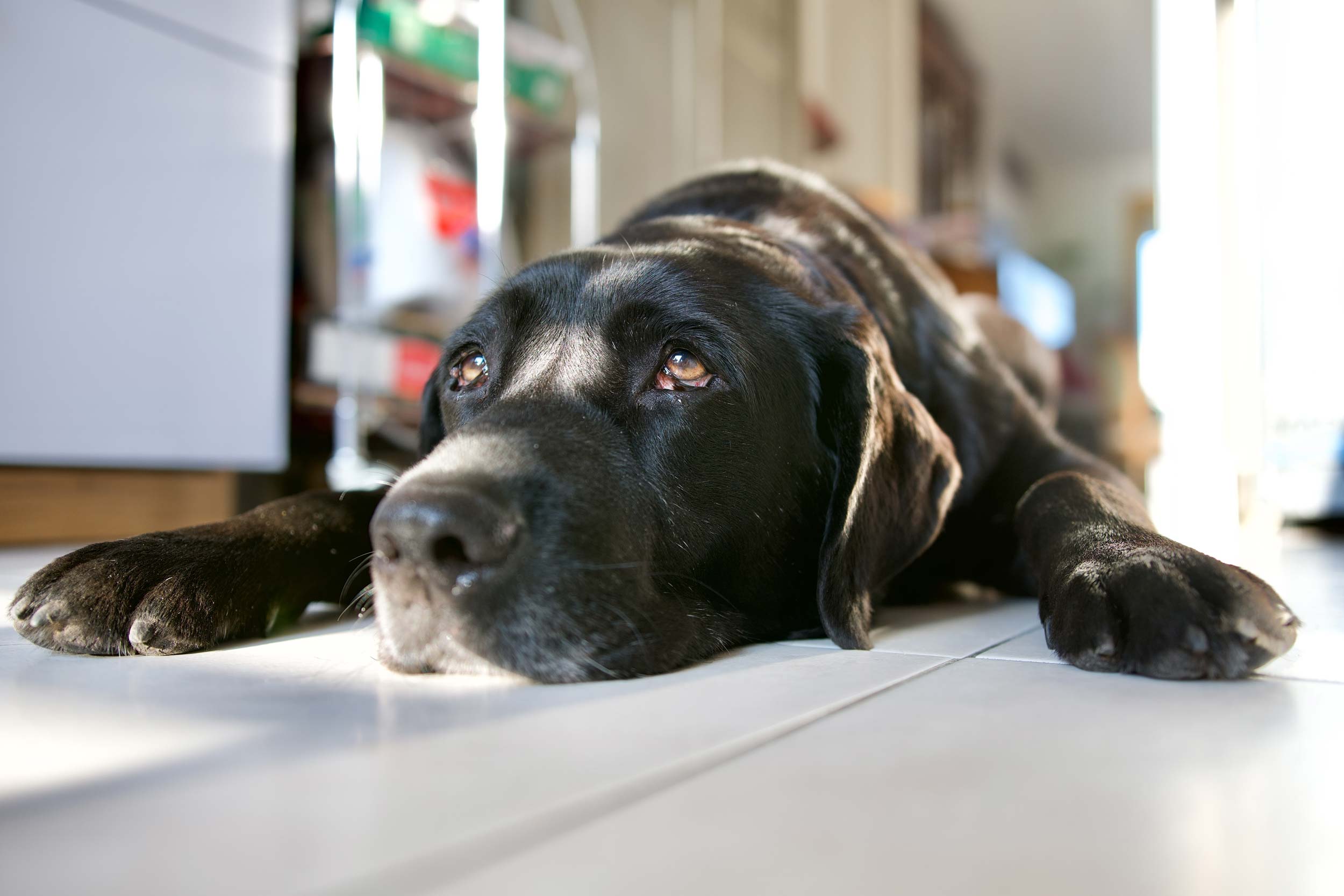
How Dogs Show Signs of Pain
Dogs tend to show pain in more obvious physical ways—but even then, it can be subtle.
Common Signs of Pain in Dogs
- Slower to rise from lying down
- Stiffness, especially after rest
- Hesitation to jump into the car or onto furniture
- Limping (sometimes intermittent)
- Reduced interest in walks or play
- Irritability when touched
- Excessive licking of joints
- Changes in posture (tucked abdomen, arched back)
What It’s NOT:
It’s not “just old age.” It’s often joint pain, arthritis, or musculoskeletal discomfort.
According to the American Animal Hospital Association (AAHA) Pain Management Guidelines, behavioral changes are one of the earliest indicators of chronic pain in dogs.
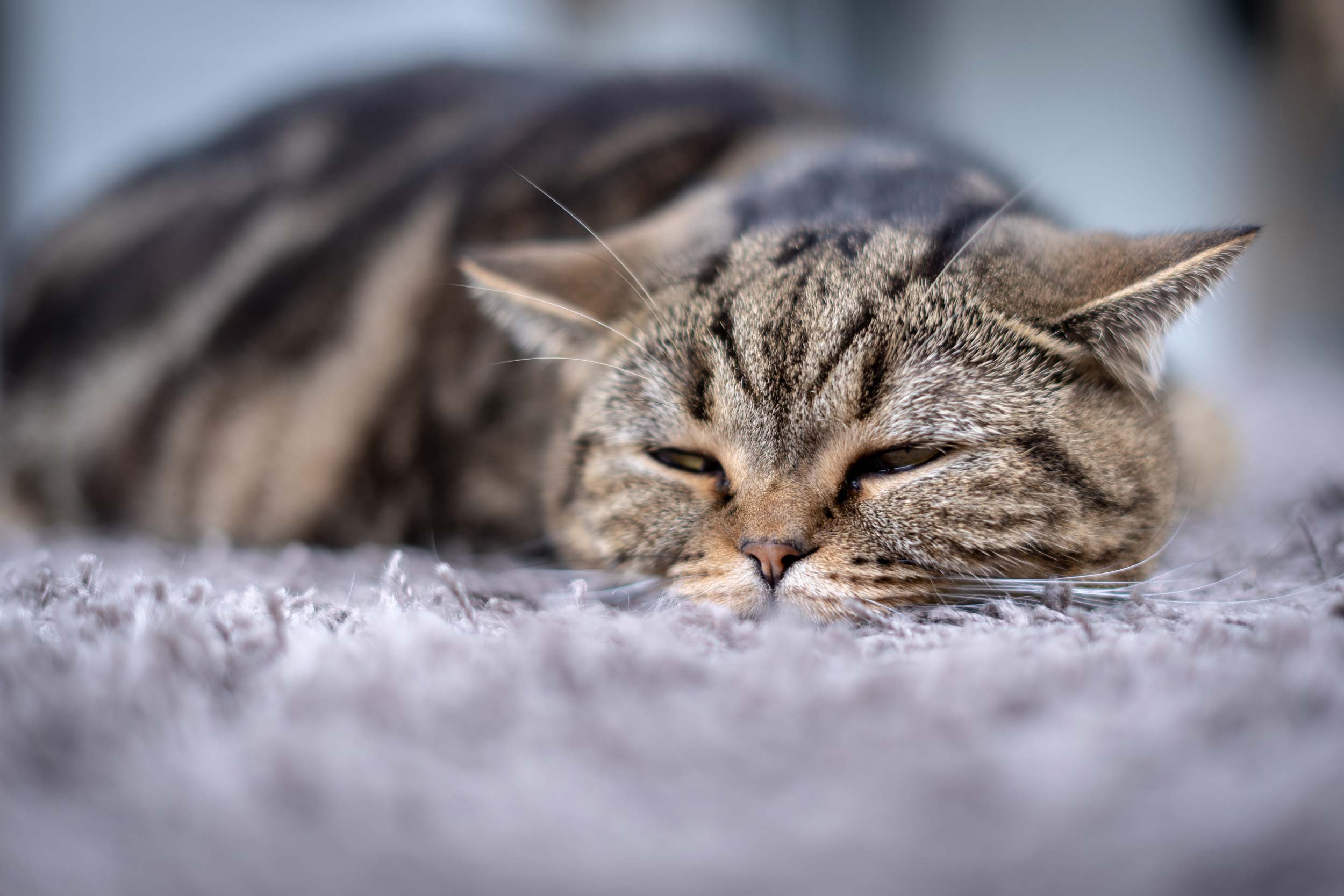
How Cats Show Signs of Pain
Cats are masters at hiding pain. They rarely limp dramatically. Instead, they quietly adjust their behavior.
Subtle Signs of Pain in Cats
- No longer jumping onto counters, beds, or cat trees
- Using lower surfaces instead of high ones
- Hesitating before jumping
- Stiff or choppy gait
- Sleeping more
- Decreased grooming (matted fur on back)
- Missing the litter box (difficulty stepping in)
- Increased irritability or hiding
Important Fact: Cats get arthritis too.
In fact, multiple peer-reviewed studies published in the Journal of Feline Medicine and Surgery show that degenerative joint disease is extremely common in aging cats—yet it often goes undiagnosed because owners assume behavioral changes are “normal aging.” If your cat isn’t jumping anymore, it is very likely discomfort—not stubbornness or laziness.
Why Early Intervention Matters
Chronic pain affects more than mobility. Untreated pain can lead to:
- Muscle loss
- Weight gain
- Reduced activity and enrichment
- Behavior changes
- Declining quality of life
The good news?
Veterinary medicine has advanced significantly in managing chronic pain. Today’s options may include:
- Veterinary-approved anti-inflammatory medications
- Joint supplements (evidence-based)
- Injectable arthritis therapies
- Weight management plans
- Therapeutic laser therapy
- Environmental modifications
Pain management is not one-size-fits-all. It’s tailored to your individual pet.
If Your Pet Is Slowing Down, Let’s Talk
If you’ve noticed changes like:
- “He doesn’t want to go for walks anymore.”
- “She doesn’t jump up like she used to.”
- “He seems stiff in the mornings.”
Those are worth discussing. You know your pet best. Subtle changes matter.
Our Recommendation
If you suspect your pet may be painful:
- Schedule a veterinary exam
- Share specific behavior changes you’ve observed
- Ask about arthritis screening and pain management options
Early intervention can dramatically improve comfort and quality of life.
You Don’t Have to Guess
Pain is treatable. Aging is natural—but suffering is not.
If your dog or cat seems to be slowing down, we encourage you to reach out. We’re here to help you determine whether it’s aging—or something we can improve together.
Call our team or schedule an appointment today. Your pet deserves to feel good at every age.